

APT Approved Provider #07-195
Approved Provider status is granted by the Association for Play Therapy; this allows registrants to earn credit at IAPT programs towards their Registered Play Therapist™, School Based- Registered Play Therapist™, or Registered Play Therapist-Supervisor™ credentials.
Upcoming IAPT Workshops
Creative Interventions in Play Therapy

Presented by: Terry Kottman, Ph.D., RPT-S™, LMHC
Friday, December 11, 2026, 8:30am – 3:30pm CST
The Wellness Collective
4056 Glass Rd NE, Cedar Rapids, IA 52402
6 CONTACT APT APPROVED CE HOURS
In this fun and highly experiential workshop, you will learn practical play therapy intervention techniques for building a relationship, exploring clients’ lifestyles, helping clients gain insight, and facilitating them making changes in their behavior, thinking, and feelings. We will practice metaphor design and storytelling; art techniques; and dance, movement, and music processes you can use the week after the workshop in your play therapy sessions for assessing clients and facilitating movement in their therapeutic process.
After the workshop, participants will be able to…:
- Describe 2 play therapy techniques used to build a relationship with clients.
- Describe 2 play therapy techniques used to explore clients’ lifestyles.
- Describe 2 play therapy techniques used to help clients gain insight.
- Describe 2 play therapy techniques to facilitate clients making changes in patterns of thinking, feeling, and/or behaving.
- Describe 1 method for designing therapeutic stories in play therapy.
- Explain 1 art technique for using in play therapy.
- Describe 1 way they can use dance, movement, and/or music in play therapy.
Gender Diversity in Play Therapy- From Framework to Practice

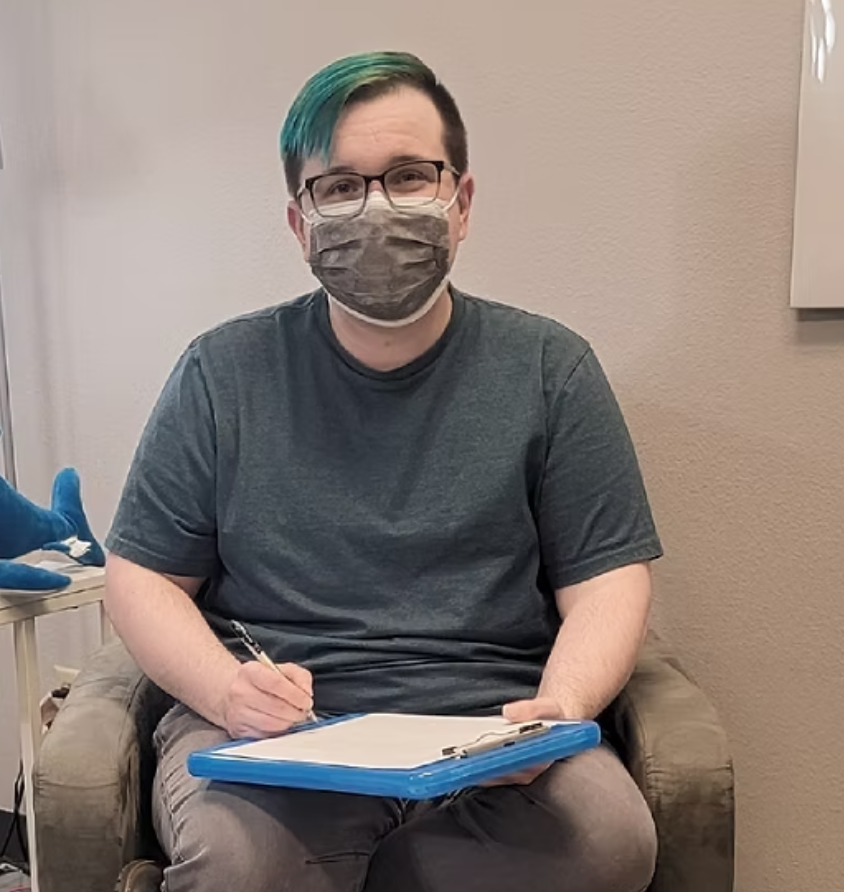
Presented by: Jessamy Whitsitt, LMFT, RPT™ and Kade Sharp, PhD, LICSW, CMHS, CST, RPT-S™
Friday, February 19, 2027, 1:30pm CST – 4:30pm CST
3 NONCONTACT APT APPROVED CE HOURS
This 3-hour intensive moves from framework to practice. Participants will work through clinical case scenarios, guardian communication challenges, and ethical decision points that arise when supporting gender diverse youth in Play Therapy. Using APT’s Play Therapy Best Practices (2025) as a clinical anchor, this session emphasizes applied skill-building: translating best-practice guidance into session-level interventions, structuring guardian conversations that hold both child authenticity and family concerns, and navigating ethical gray areas within current state and licensure requirements. Time is built in for small-group case consultation and Q&A.
- Participants will apply APT’s Play Therapy Best Practices (2025) guidance to clinical case scenarios,
identifying appropriate Play Therapy interventions for gender diverse youth. - Participants will demonstrate at least two harm-reduction-informed communication strategies for guiding guardians through the Play Therapy process when a child’s gender identity or expression is a clinical focus.
- Participants will evaluate ethical decision-making frameworks for navigating conflicts between client
authenticity and guardian concerns within the Play Therapy relationship, consistent with current state and licensure requirements. - Participants will design a Play Therapy treatment plan component that supports authenticity for a gender diverse client using Child Centered Play Therapy.
2027 Spring One-Day Conference
The 2027 Spring Conference will be held in Cedar Falls, IA on April 23, 2027 at the Hilton Garden Inn. Kate Haberman will provide the keynote presentation: Working with Children in High Conflict Systems.
See our Spring Conference Page for more information!
Want to present a breakout session at our conference? Complete the Proposal Form by November 13, 2026!
2027 Annual Fall Conference
IAPT’s Annual Fall Conference 2027 will be held in Des Moines, IA at the Airport Holiday Inn & Conference Center, featuring workshops presented by Jared Andes. Check back for more information!
2028 Spring One-Day Conference
The 2028 Spring Conference will be in Northwestern Iowa. More details to come!